Tree Removal
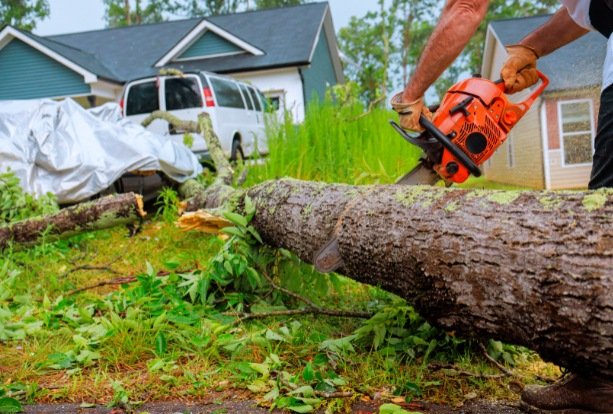
At JPS Tree Service, we provide residential tree removal services designed to protect your home, landscape, and family while minimizing disruption to your property.
JPS Tree Service – Safe & Efficient Tree Removal You Can Trust
At JPS Tree Services, we provide safe, reliable, and professional tree removal services for residential and commercial properties. Removing a tree can be dangerous and complex, especially when dealing with large trees, storm damage, diseased trees, or trees located near homes, power lines, and structures. Our experienced team has the knowledge, equipment, and training needed to remove trees safely and efficiently while protecting your property.
Whether a tree is dead, damaged, diseased, or becoming a safety hazard, our experts can assess the situation and recommend the best solution for your landscape.
Is Tree Stump Removal Necessary?
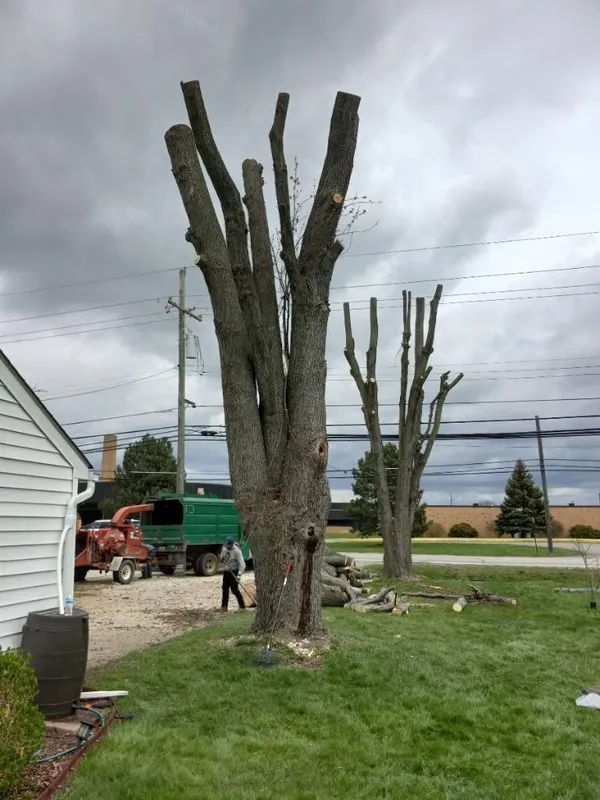
After tree removal, leftover stumps can become an eyesore and attract pests such as termites, ants, and fungi. JPS Tree Services offers professional stump removal and stump grinding services to help restore your landscape.
Is It Better to Grind a Stump or Remove It?
- Stump Removal Removes both stump and major roots Creates a clean area for replanting or landscaping More extensive process requiring additional equipment
- Stump Grinding Faster and less invasive Removes the visible stump Leaves roots underground
Our team will help you choose the best option based on your property goals and budget.
How Much Tree Removal Costs?
Tree removal costs vary based on the specific conditions of the tree and property and requires an on-site evaluation.
Factors we consider include:
- Tree size and height
- Proximity to structures or power lines
- Location and accessibility
- Equipment and crew requirements
- Safety risks and complexity of removal
We provide free, transparent estimates and walk you through the entire process so there are no surprises.
If I Cut a Root, Will the Tree Die?
Cutting roots may seem harmless, but improper root cutting can seriously damage or destabilize a tree.
Key things to know:
- Avoid cutting roots larger than 2 inches in diameter
- Never remove more than 15% of a tree’s root system
- Root pruning should be done well away from the trunk
- Late winter or early spring is generally the safest time
- When unsure, consult a certified arborist before cutting
In many cases, alternatives like soil leveling or lawn topdressing can solve the issue without harming the tree.
Our Residential Tree Removal Process
We keep tree removal straightforward, safe, and homeowner-friendly.
We inspect the tree’s condition, surrounding structures, access points, and safety risks before providing a clear, no-obligation quote.
Each removal is planned based on tree size, location, and risk factors to ensure safe execution.
Our trained crew removes the tree efficiently using controlled techniques designed for residential properties.
Stump grinding and full debris removal leave your yard clean, level, and ready for use.
When Should You Call a Tree Removal Expert?
- A tree is dead, leaning, or structurally unstable
- Roots are damaging foundations, sidewalks, or plumbing
- Branches threaten your roof or utility lines
- The tree is infected beyond recovery
- Storm damage has made the tree unsafe
- You’re planning construction or landscaping changes
If you’re unsure whether a tree should be removed, we provide honest evaluations and explain all available options—no pressure, no unnecessary removals.
What Homeowners Say
Responsible & Eco-Friendly Tree Removal
We believe tree removal should be handled responsibly. Whenever possible, removed trees are recycled into mulch or processed sustainably. Our methods prioritize safety, efficiency, and environmental responsibility.
Frequently Asked Questions
In some cases, storm-damaged or hazardous tree removal may be covered. We recommend checking with your insurance provider.
Permit requirements vary by city. We can help guide you through local regulations.
Yes. Our team is trained and equipped to safely remove trees in tight residential spaces.
We offer 24/7 emergency tree removal services.
Standard tree removal usually involves cutting the trunk as low to the ground as possible. Stump grinding is typically a separate service where a machine shreds the stump 6–12 inches below the surface, allowing you to plant grass or a new tree in its place.
Professional crews use ground protection mats to distribute the weight of heavy machinery. For sensitive areas, arborists use "rigging"—a system of ropes and pulleys—to lower branches piece by piece rather than letting them "free-fall" onto your landscaping.
Sometimes. Trees in a "grove" protect each other from wind. If you remove a large "buffer" tree, the remaining trees may be more susceptible to windthrow (being blown over) because they haven't developed the "wind wood" necessary to stand alone.