Shrub Pruning- By JPS Tree Service
At JPS, our shrub pruning services focus on plant health first—without sacrificing curb appeal. Proper pruning keeps shrubs strong, full, and attractive.
Shrub Pruning Encourages Strong Growth & Fuller Plants
At JPS Tree Services, we provide professional shrub pruning services designed to improve the health, appearance, and long-term growth of your shrubs and landscape plants. Proper pruning not only enhances curb appeal but also encourages stronger growth, denser foliage, and healthier plant structure year after year.
Many homeowners make the mistake of trimming only the outer surface of shrubs. This can block sunlight from reaching the inner branches, leading to weak growth, thinning foliage, and what professionals often call “hollow shrub” syndrome. Proper shrub pruning requires skill, experience, and an understanding of plant health to maintain both beauty and structural integrity.
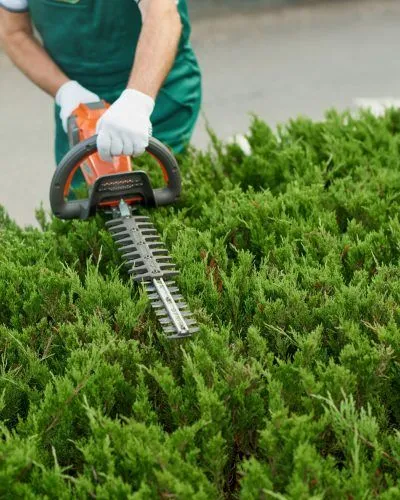
What’s the Difference Between Shearing & Pruning?
While shearing may create a quick uniform appearance, selective pruning is often the healthier option for shrubs over the long term.
Key differences between shearing and pruning:
- Encourages balanced growth throughout the plant
- Maintains the shrub’s natural form
- Improves plant health and structure
- Long-term health improves compared to repeated shearing
Our arborists choose the right method for each plant to ensure your shrubs stay healthy, attractive, and well-shaped.
When Is the Best Time to Prune Shrubs?
The best time for shrub pruning is typically between late fall and early spring while plants are dormant. Dormant pruning helps encourage healthy spring growth and can also reduce the risk of disease and pest issues.
- Supports healthier regrowth in spring
- Helps manage insects and disease
- Prevents unnecessary stress on plants
- Keeps shrubs looking their best all season long
Knowing when and how to prune makes a big difference in the long-term health of your landscape.
Our Shrub Pruning Process
We keep tree removal straightforward, safe, and homeowner-friendly.
Our arborists inspect your shrubs, identifying areas of deadwood, weak growth, and disease. We then create a pruning plan tailored to your landscape and goals.
Using precise techniques, we prune branches to promote healthy structure, open the canopy for light and air, and shape shrubs naturally.
All debris is removed, leaving your landscape neat. We provide care tips to maintain shrub health and maximize the benefits of pruning.
When to Choose Shrub Pruning
You should call JPS for shrub pruning if:
- Your shrubs have overgrown or uneven growth
- Inner branches are bare or dying
- Branches threaten your roof or utility lines
- Pests or disease have impacted plant health
- You want to shape shrubs for landscaping or curb appeal
- Shrubs need seasonal preparation for winter or spring
What Homeowners Say
Contact JPS Tree Service
Ready to give your shrubs professional care? Call or request a free estimate today.
Frequently Asked Questions
Most shrubs benefit from pruning once or twice a year, depending on species and growth patterns. Dormant pruning is typically the safest.
When done correctly by a certified arborist, pruning improves plant health and structure without causing damage.
Yes, but timing is key. We ensure flowering shrubs are pruned without affecting blooms, typically after flowering or during dormancy.
Absolutely. All branches and debris are removed, leaving your yard neat and ready for use.
A good rule of thumb is the One-Third Rule: Never remove more than 33% of the total plant volume in a single season. Removing too much can shock the shrub and deplete its energy reserves.
No. Modern arboriculture shows that pruning sealants actually trap moisture and bacteria. Shrubs have a natural ability to "wall off" a clean cut and heal themselves.
Timing depends entirely on when the shrub blooms:
Spring Bloomers (Lilac, Forsythia): Prune immediately after they finish flowering. Pruning them in winter will remove this year's flower buds.
Summer Bloomers (Hydrangea, Spirea): Prune in late winter or early spring before new growth begins.
Evergreens (Boxwood, Holly): Prune in late spring or early summer once the first "flush" of growth has hardened off.
Thinning: Removing a branch back to its point of origin. This opens up the center for light and air.
Heading: Cutting a branch back to a bud. This encourages bushy, dense growth.
Renewal Pruning: Cutting the oldest, heaviest stems down to the ground to "reset" the plant over several years.