Environmental Design & Ecosystem Restoration Services – JPS Tree Service
JPS Tree Services provides environmental design and ecosystem restoration services that help protect natural resources while supporting long-term land management goals.
Achieve Your Land Management Goals & Enhance Natural Areas
At JPS Tree Service, we provide expert Environmental Design & Ecosystem Restoration Services to help restore, protect, and improve natural landscapes. Our experienced team uses advanced restoration techniques and sustainable land management practices to support healthier ecosystems and long-term environmental success.
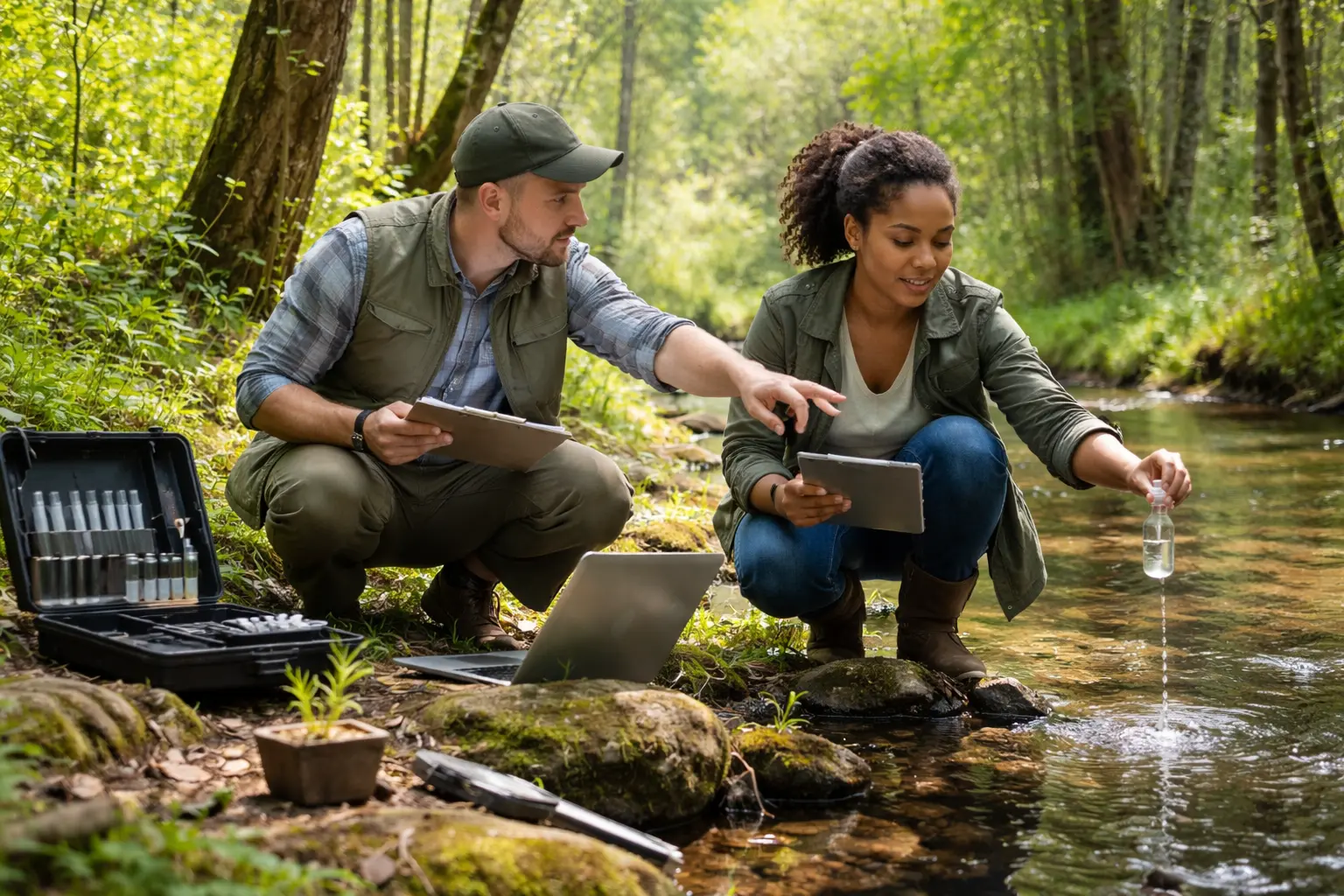
Healthy ecosystems such as forests, wetlands, streams, and rivers provide essential wildlife habitats while improving water quality through stormwater management, sediment control, and pollution reduction. Our environmental specialists work closely with municipalities, commercial properties, developers, and government agencies to create customized restoration strategies that enhance natural resources and ecological balance.
- Natural resource assessments
- Restoration planning and design
- Native seeding and planting
- Invasive species control
- Long-term maintenance and monitoring
What Is Ecological Restoration?
Ecological restoration is the process of repairing ecosystems that have been damaged, degraded, or destroyed by human activity, erosion, pollution, or invasive species. The goal is to restore natural ecological functions and create conditions that allow native plants, wildlife, and microorganisms to thrive once again.
- Removing invasive vegetation
- Reintroducing native plant species
- Stabilizing soil and streambanks
- Improving habitat conditions
When done correctly, ecological restoration strengthens ecosystems, improves resilience, and delivers long-term environmental benefits.
Our Environmental Design & Ecosystem Restoration Services
Endangered Species Consulting
Our environmental experts provide professional endangered species consulting services to help clients identify and protect sensitive habitats. We perform GIS data collection, land cover mapping, and field surveys for wetland and non-wetland plants and wildlife species. By combining scientific analysis with practical restoration solutions, we help ensure environmental compliance and responsible land development.
Natural Areas Management
JPS Tree Service helps improve and maintain natural areas through strategic habitat restoration and vegetation management practices. Our natural areas management services focus on restoring native vegetation, improving biodiversity, enhancing wildlife habitats, and controlling invasive species that threaten ecosystem health.
Featured Project: Stream Restoration
Stream Restoration & Shoreline Stabilization
JPS Tree Service specializes in stream restoration and shoreline stabilization projects that reduce erosion, improve water flow, and protect surrounding infrastructure. Our environmentally responsible restoration methods help strengthen streambanks, restore aquatic habitats, and improve overall ecosystem performance.
Using native plantings, erosion control materials, and sustainable construction practices, we help restore damaged waterways and preserve natural resources.
What Homeowners Say
Ready to restore and protect your natural resources?
JPS Tree Services provides expert environmental design and ecosystem restoration solutions tailored to your land management goals.
Frequently Asked Questions
Ecosystem restoration is commonly needed for projects involving land development, utility work, stormwater systems, stream or wetland impacts, and environmental mitigation requirements. Restoration helps stabilize land, improve water quality, and bring disturbed areas back to a healthy, functional state.
Timelines vary based on site conditions, project size, and regulatory requirements. Some restoration projects can be completed in weeks, while others involve phased work and long-term monitoring to ensure successful plant establishment and ecosystem recovery.
Yes. Our team assists with environmental planning, documentation, and coordination to support compliance with local, state, and federal environmental regulations as part of the restoration process.
Invasive species compete with native plants for water, nutrients, and space. Removing invasives allows native vegetation to re-establish, improving ecosystem stability, biodiversity, and long-term sustainability.
The goal is to return a degraded or damaged ecosystem to its natural, healthy state. This often involves removing invasive species, stabilizing soil to prevent erosion, and reintroducing native flora that supports local pollinators and birds.
Absolutely. One of the primary pillars of restoration is buffer zone management. By planting deep-rooted native grasses and trees, we create natural sponges that soak up runoff and prevent your topsoil from washing away.
Environmental design is the practice of planning your outdoor space to work with nature rather than against it. Instead of just planting trees for aesthetics, we look at soil health, water drainage, and local wildlife patterns to create a landscape that thrives with minimal intervention.