Storm Prep & Tree Support Systems
Damaged or weakened trees can create serious safety risks for your home and property. At JPS Tree Service, we help homeowners reduce storm-related hazards with professional tree inspections, health assessments, and structural support systems designed to strengthen and protect trees before severe weather strikes.
Tree Safety Is A Top Priority At JPS Tree Service
Protect your property and landscape with proactive storm preparation and tree support solutions from JPS Tree Service. Our experienced tree care professionals provide preventative services that help reduce stress on trees, improve structural stability, and minimize the risk of storm damage.
From tree cabling and bracing to complete tree risk assessments, we help identify potential hazards before they become dangerous problems.

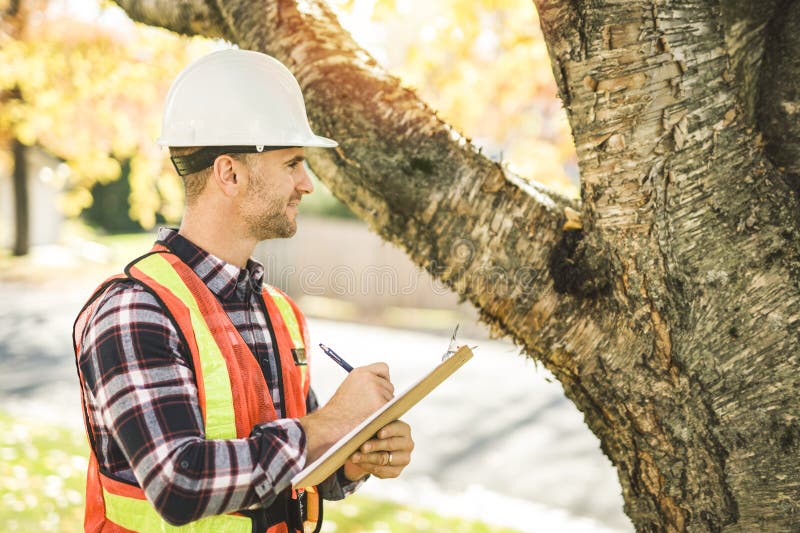
Tree Safety Inspections & Health Assessments
Tree inspections play an important role in protecting your trees and surrounding property during severe weather conditions.
Our trained arborists carefully evaluate:
Severe Weather Preparation
- High winds and heavy rain
- Snow and ice accumulation
- Lightning exposure
- Flooding and soil saturation
- Extended drought conditions
Hidden Structural Damage
- Root stability and soil conditions
- Weak branch unions or split trunks
- Internal decay or previous storm damage
- Overall tree balance and load distribution
Storm Prep & Tree Support Services We Offer
JPS Tree Service offers professional support systems designed to strengthen vulnerable trees and improve storm resistance.
Lightning Protection Systems
Lightning protection systems help reduce the risk of severe lightning damage to valuable or mature trees by safely directing electrical energy into the ground.
Tree Cabling & Bracing
Tree cabling and bracing provide additional structural support to weak or damaged limbs and trunks. These systems help reduce stress caused by strong winds, heavy foliage, snow, and ice buildup.
Signs of a Storm-Damaged Tree
After a storm, it’s important to inspect your trees for signs of damage or instability. Some issues may not be immediately visible and could worsen over time.
- Large cracks affecting the main trunk
- Sudden leaning or shifted root base
- Loss of major limbs or canopy imbalance
- Trees leaning toward structures or vehicles
What To Do After Storm Damage
Storm damage can create dangerous conditions around your property. If you notice damaged, leaning, or unstable trees after severe weather, contact JPS Tree Service for a professional assessment.
- Hanging or broken branches
- Splits in limbs or trunk
- Uneven or broken treetops
- Visible decay, cavities, or holes
- Uprooted or partially fallen trees
- Trees leaning unexpectedly
How to Protect Trees From High Winds & Severe Storms
Healthy trees are far more resilient during storms. Here are a few steps homeowners can take to reduce damage risk:
- Stake newly planted or young trees
- Schedule routine professional pruning
- Install tree support or lightning protection when needed
- Mulch around the base to protect roots
- Monitor trees for cracks or uneven growth
- Maintain consistent, long-term tree care
What Homeowners Say
Emergency Storm Tree Services Available
When storms cause immediate hazards, quick response matters. JPS Tree Service offers emergency support for storm-damaged trees to reduce risk and restore safety.
Frequently Asked Questions
Not all trees require support systems, but trees with heavy canopies, weak branch connections, previous storm damage, or poor root stability are more vulnerable during severe weather. A professional inspection helps determine if storm prep is necessary.
If a tree has split limbs, multiple trunks with weak unions, or leans under wind or snow load, cabling or bracing may be recommended. Our arborists assess structural strength and install support only when it improves safety and tree health.
In many cases, yes. Trees with manageable limb damage or structural stress can often be stabilized with pruning, cabling, or corrective care. Trees with severe trunk damage, root failure, or extreme lean may need removal for safety.
We recommend inspections annually or before storm-heavy seasons. Trees near homes, driveways, or power lines should be checked more frequently to reduce risk and prevent unexpected failures.
Cabling involves installing high-strength steel or synthetic cables between major limbs. It doesn't "hold the tree up," but rather limits the distance a branch can move during a storm, reducing the risk of a structural failure.
When installed by a certified arborist, no. Modern hardware is designed to allow the tree to grow around it. The hardware is made of galvanized steel to prevent rust and disease entry.
Only if necessary. Trees need to sway slightly in the wind to develop "taper" and strong root systems. If a tree is in a very windy area or is leaning, use soft, flexible ties and remove them after one growing season.