Tree Health Inspection & Treatment
At JPS Tree Service, our tree health inspection and treatment services focus on identifying problems early and supporting long-term tree vitality based on your environment, soil conditions, and landscape layout.
Trees Need Professional Care to Stay Healthy
At JPS Tree Services, we understand that trees require regular care, monitoring, and expert attention to remain strong and healthy. Just like people, trees can suffer from stress, disease, storm damage, pest infestations, and environmental challenges. Early diagnosis and proper treatment are essential to maintaining the beauty, safety, and longevity of your landscape.
Our experienced tree specialists provide personalized tree health care solutions tailored to your property’s unique conditions. We carefully evaluate soil quality, weather impact, pest activity, and the overall condition of your trees and shrubs to create effective treatment plans that support long-term growth and vitality.

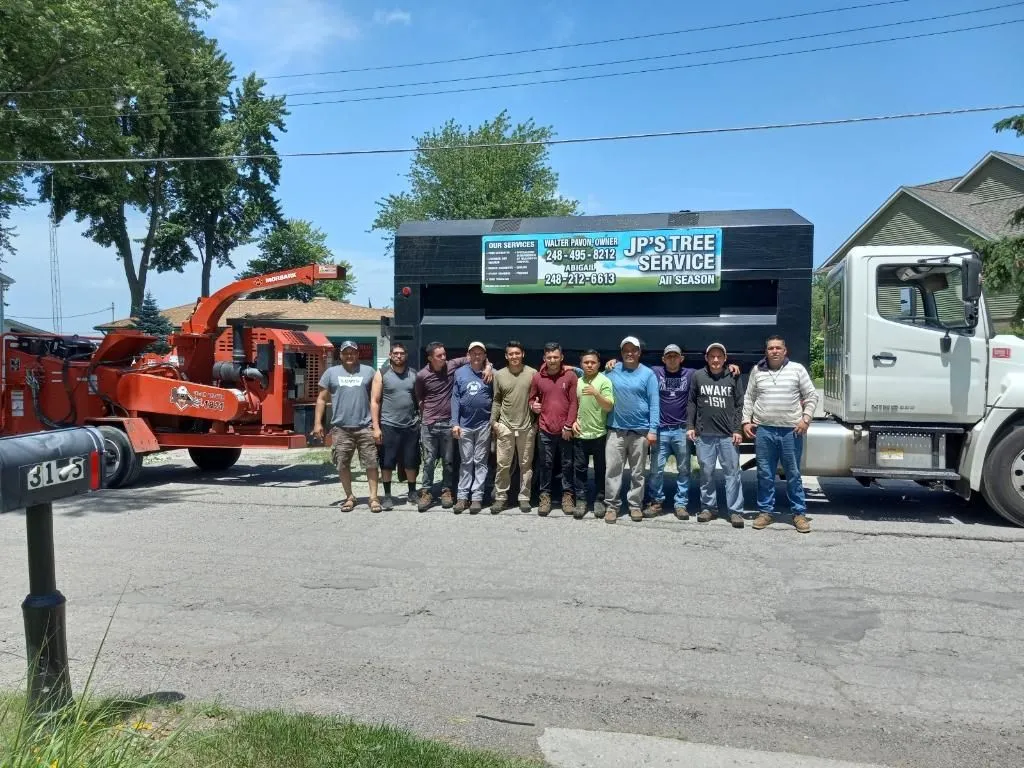
What You Can Expect From JPS Tree Services
At JPS, tree care isn’t guesswork — it’s a proactive, science-driven process focused on keeping your trees safe, strong, and thriving.
- Early detection of disease, decay, or pest activity
- Routine tree health and safety inspections
- Strategic pruning for structure and growth
- Root care and soil improvement recommendations
- Preventative treatments to reduce future risk
This personalized approach ensures your trees stay healthy, resilient, and safe year-round.
Common Winter Tree Damage & Prevention
Cold temperatures, fluctuating weather, and winter exposure can stress trees and shrubs. Without proper care, winter damage can lead to long-term health issues.
Common winter-related tree problems include:
- Sunscald on bark
- Frost cracks and splitting
- Salt or de-icing chemical damage
- Cold injury to fruit-bearing trees
- Freeze damage to sensitive species
Preventative care and seasonal planning can significantly reduce winter stress and help trees recover stronger in spring.
Year-Round Care Tips for Healthy Trees & Shrubs
Trees and shrubs enhance your landscape with beauty, shade, air quality, and wildlife support — but they require seasonal care to stay healthy.
Seasonal tree care basics include:
- Spring: Fertilization, pruning, and mulching to promote growth
- Summer: Deep watering and monitoring for heat or pest stress
- Fall: Root hydration and preparation for colder temperatures
- Winter: Selective pruning and insulation where needed
Tree Health Services We Offer
To help trees thrive in residential and urban environments, we provide a full range of targeted plant health solutions:



How to Manage Tree Pests & Diseases
Tree pests and diseases can weaken trees, damage branches and leaves, and reduce the overall beauty and safety of your landscape. Early detection and proper treatment are essential to protecting your trees and preventing long-term damage.
At JPS Tree Services, we help homeowners identify, treat, and prevent common tree health problems with professional care and customized solutions.
If you’re concerned about unusual growth, discoloration, leaf loss, or insect activity, a professional inspection is the safest next step.
What Homeowners Say
Worried About Your Tree’s Health or Safety?
Get expert advice from certified arborists you can trust.
Frequently Asked Questions
Most residential trees should be inspected once a year, especially mature or large trees. Additional inspections are recommended after storms, visible damage, or signs of disease.
Common warning signs include dead branches, cracked bark, leaning trunks, leaf discoloration, fungal growth, pest activity, or slow growth. Early detection helps prevent costly removals later.
In many cases, yes. With proper pruning, soil care, pest or disease treatment, and structural support, trees can recover. Our arborists assess whether treatment or removal is the safest option.
Yes. A professional inspection helps determine the safest and most effective solution — whether it’s pruning, treatment, or removal — while minimizing risk to your property.
Crown Dieback: Leaves falling off or dying at the very top of the tree.
Fungal Growth: Mushrooms growing at the base or on the trunk.
Deep Cracks: Large vertical splits in the bark.
Leaning: A sudden change in the angle of the trunk.
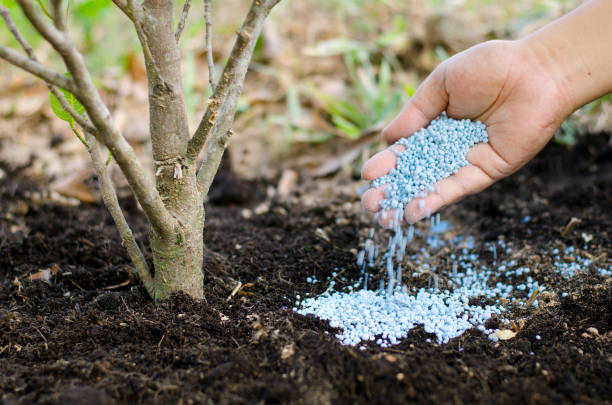
Unlike surface fertilizing, this involves injecting a high-quality nutrient mix directly into the soil (about 8–12 inches deep) where the feeder roots live. This reduces competition with grass and aerates the soil simultaneously.
Treatment usually falls into three categories:
Soil Drenches: The tree "drinks" the systemic insecticide through its roots.
Trunk Injections: Direct "IV" style delivery for rapid results.
Foliar Sprays: Used for surface-level pests like spider mites or aphids.